WDYK: The Fiddler’s Lot
An old deed leads to a lost legend and a new tune
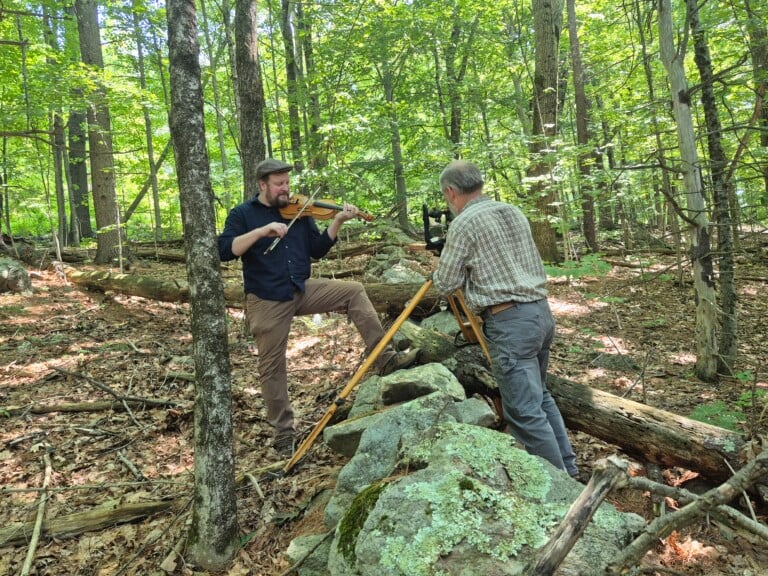
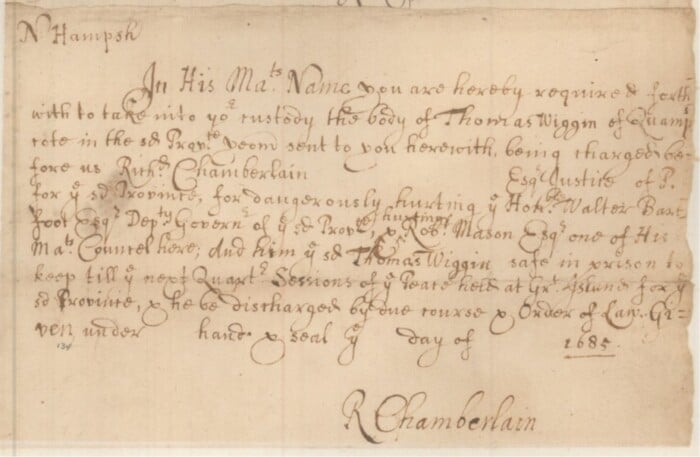
I was reading the deed for a property I had been hired to survey and came upon the unusual term, “fiddler’s lot.” I had not seen this before in any other deed and had no idea what it meant.
The deed scrivener referenced “fiddler’s lot” as a key component in establishing my client’s boundaries, so I would need to determine what exactly a “fiddler’s lot” was before I could complete this survey.
In the old deed, “fiddlers” was not capitalized, which suggested it was not a family or person with the surname Fiddler. A grantee/grantor search of “Fiddlers Lot” at the county registry of deeds came up empty, and a search of the abutting property titles for any reference to “Fiddler” also revealed nothing. Town tax assessor’s records did not depict the parcel as existing, and there was no record of anyone paying property taxes on it.
 So, what exactly is a “fiddler’s lot,” who owns it and, most importantly, where are the boundaries? The answer was partially revealed in an anecdotal tale written in an autobiography by a woman who lived in town decades ago.
It seems that sometime before the 1920s, the townsfolk were enjoying an evening of celebration, merriment and dancing to the tunes plucked by a lively fiddle player. Likely there was plenty of hard cider available. At the end of the evening, the fiddler was ready to pack up and go home.
But the townspeople weren’t ready yet to call it quits for the night. They were enjoying themselves and begged the fiddler to stay for another hour, or maybe two. The fiddler had already fulfilled his quoted obligation and been paid for his time, so he was not eager to stay longer.
The partygoers passed a hat around the room to raise money to entice the fiddler to play a little longer. Cash was scarce and the offering tossed into the cap wasn’t enough to persuade the fiddler to remain any longer.
A landowner came forward and offered to give the fiddler a small plot of land if he continued to play for another hour or two. The promised plot was described as big enough for a small house and peppered with tall, large diameter pines intermixed with sugar maples and red oaks. This piqued the fiddler’s interest. So, sight unseen, the fiddler accepted the offer. With the bargain struck, a deed was written, executed on the spot and presented to the fiddler. The fiddler kept his part of the bargain and entertained the revelers with more reels, jigs and lively dance tunes late into the night.
The fiddler must have been disappointed the next morning when he first set eyes upon his newly acquired property. The promised land turned out to be a long, narrow, triangular-shaped parcel. The two longest sides were road frontages on steep hills, and they converged at a dangerous, messy intersection. The lot was too steep to permit access from either road. While there may be room for a small house, you’d need a ladder to get into it. The third side of the triangle was a short distance and butted against a disagreeable abutter.
The total acreage conveyed was only a quarter of an acre, and the interior was rocky with prominent ledge outcroppings. If any trees were to be cut on the fiddler’s lot, they would have to be felled either into one of the roads or onto the property of the disagreeable abutter.
The deal did not turn out to be a bargain for the fiddler. After walking his newly acquired land, the fiddler realized he would gain no benefit in owning the property yet still be responsible for payment of property taxes.
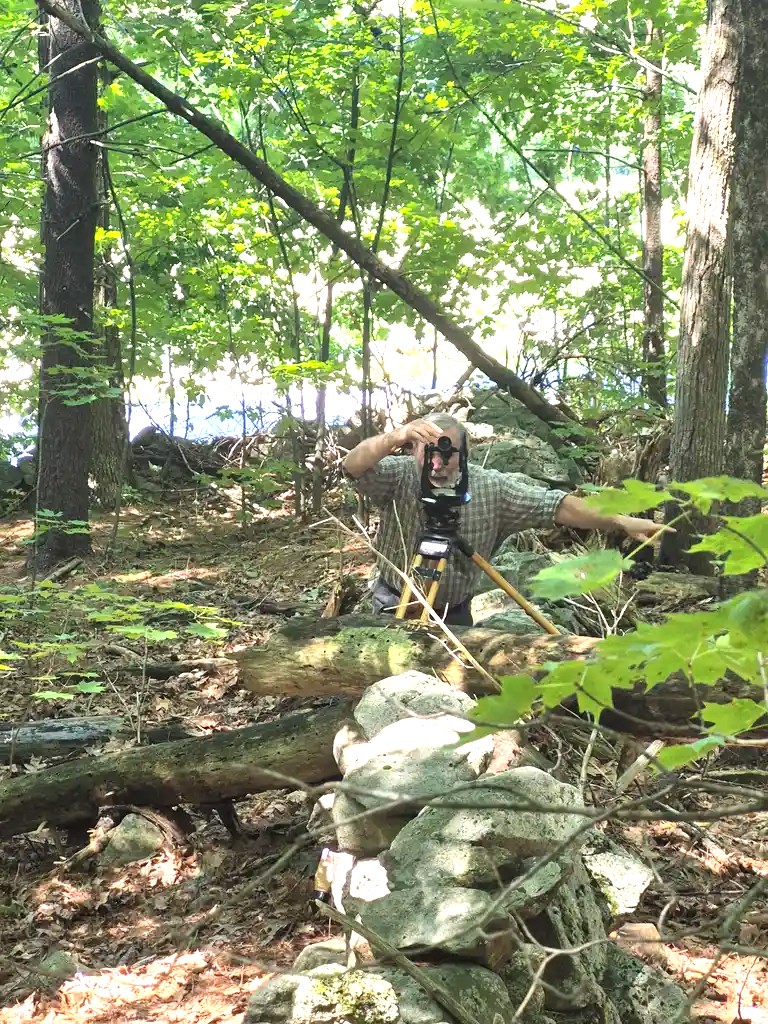
An old stone wall marks the only property line of the three-sided lot.
The fiddler made the wise decision to cut his losses at a couple hours of uncompensated music. He tore up and never recorded the deed. The locals who had attended the dance wryly referred to the parcel as “the Fiddler’s Lot” from that date forward. Over generations memories faded, and the names of the fiddle player and the land grantor were lost to his-
tory, but the legend remained.
Somehow the town took possession of the parcel, probably through auction following years of unpaid property taxes. As the roads were widened and paved, and attempts were made at improving the messy intersection, some of the fiddler’s lot got absorbed into the right-of-way of the two converging roads. The residual land disappeared off the town tax maps and assessment rolls, but the old abutter’s deed still proclaimed, “the fiddlers lot.”
The story I had just stumbled into was too good not to share, and I figured another fiddle player would appreciate it most, so I called a local talented musician, Jordan Tirrell-Wysocki. Jordan plays a handful of instruments, but lively old fiddle tunes are what he is most known for.
I asked Jordan if he had heard of this legend. I also inquired if he would ever accept a deed to a parcel of land, sight unseen, in exchange for a few hours of his time.
Jordan had not heard the story and pondered that he might have gone along with the arrangement. His thinking was that even undesirable land has some value, so perhaps he too could have been persuaded to play a few more jigs and reels for a happy appreciative crowd.
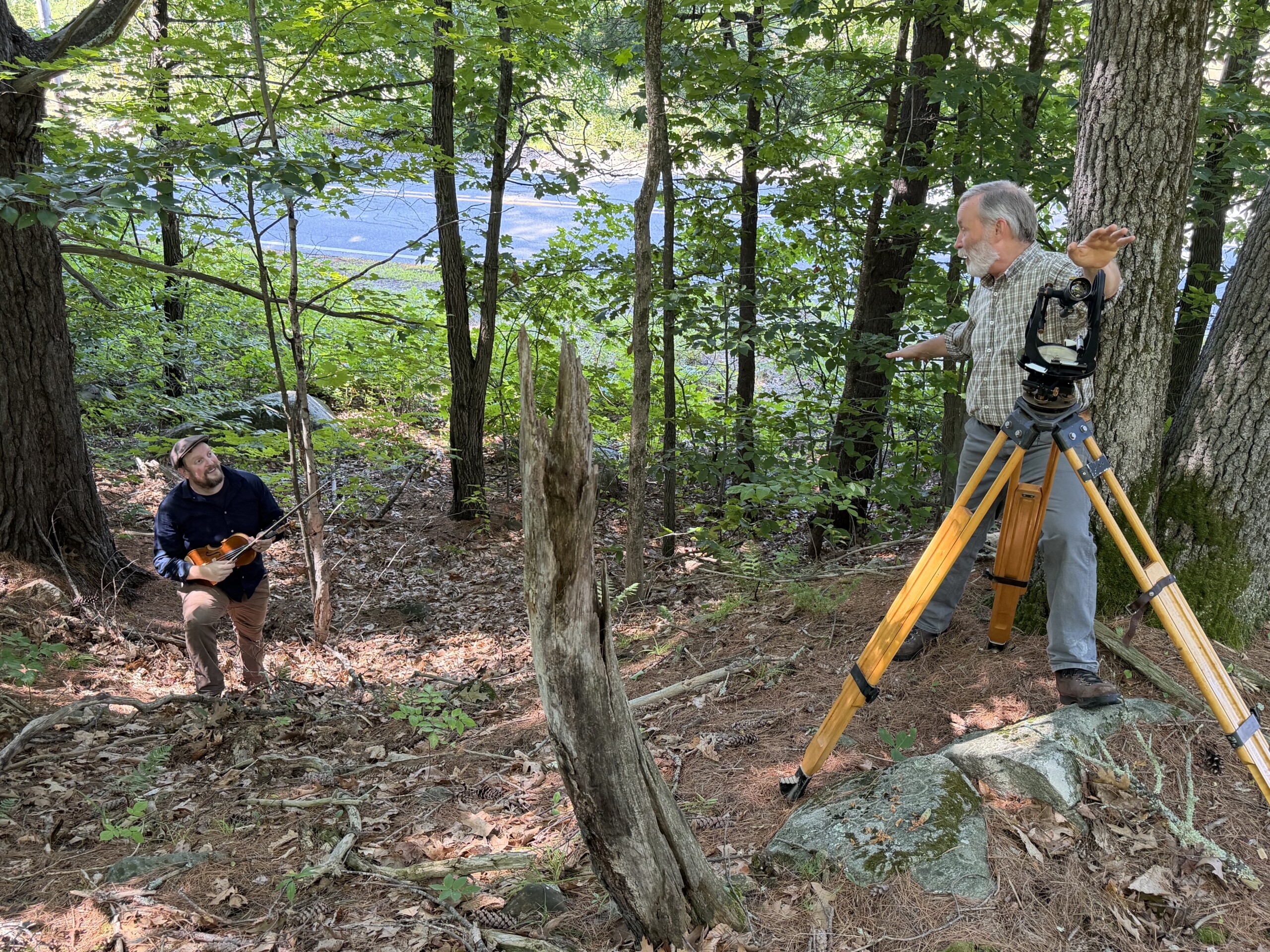
Perhaps when personal autos gain the ability to fly and hover, the “fiddler’s lot” will become valuable.
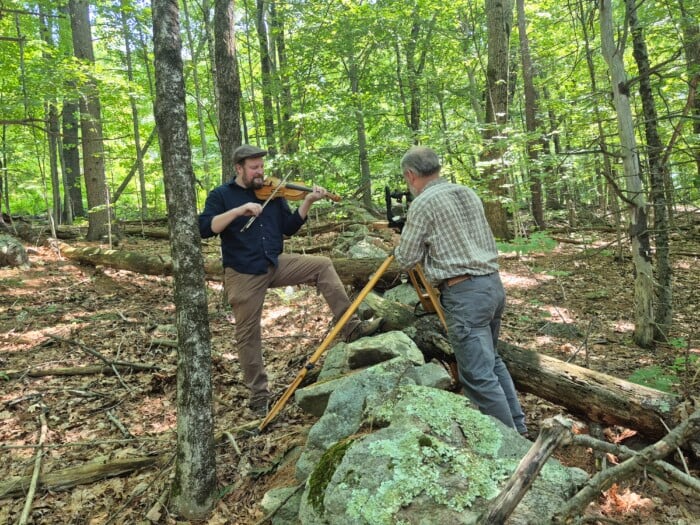
I took Jordan to see fiddler’s lot, and he was excited to see the big diameter white pines, red oaks and sugar maples, until I pointed out that there was no direction to drop the trees where they wouldn’t land on overhead utility wires. We concluded the fiddler’s lot still had no value, and the unknown fiddler of legend … had been had.
Jordan brought his fiddle with him and broke into a slow sad melody. Not recognizing the tune, I asked him what he was playing. He said he was suddenly inspired to write a new song and was going to call it “Fiddler’s Lament.”
Sounds right for this deed done to a fiddler.