Healthwise: Seeing Clearly As We Age
Protecting your vision for years to come
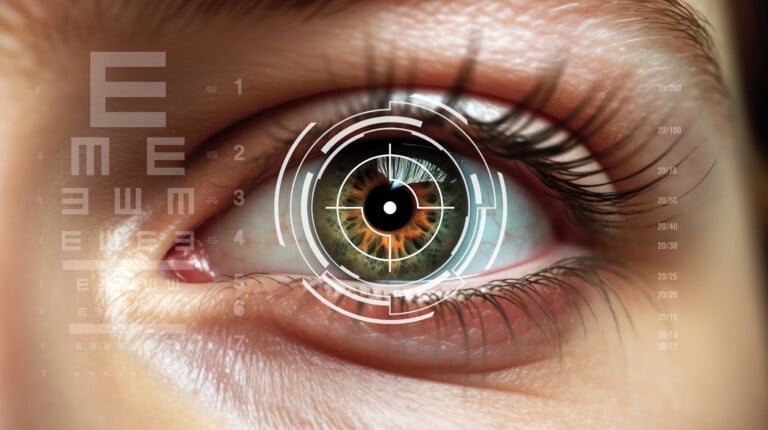
Colors may suddenly lack luster. You find yourself holding restaurant menus farther away to make them easier to read. Driving at night seems more challenging than it used to be.
Some of these symptoms may be a normal part of aging, but health care providers say many of the most serious eye problems develop quietly, often before people realize anything is wrong. That’s why paying attention to your eye health after the age of 40 is particularly important.
The National Eye Institute celebrates Healthy Vision Month in May, an annual observance to encourage proactive eye care and healthy lifestyle choices to prevent vision loss. Dr. Masooma Athar, a geriatrician and medical director and section chief of geriatrics for the Elliot Health System, regularly sees the impact vision loss can have on older adults’ independence and quality of life. While many people assume declining vision is unavoidable, she says proactive care and early detection can help preserve sight and prevent complications.
“It’s important that folks over the age of 65 see an ophthalmologist or optometrist and get their vision checked at least once a year or every two years,” she says. “People who have diabetes, hypertension or a family history of eye disease should go at least once a year and get a dilated eye exam from their ophthalmologist.”
Eye health and aging: what the numbers show
Most people recognize subtle changes to their eyesight around midlife. By age 75, half will develop cataracts, a condition where the normally clear lens inside the eye becomes cloudy or opaque, making it one of the most common age-related eye conditions.
Turning 40 often marks the start of noticeable shifts in how the eye focuses.
“You’ll need brighter light to read,” Athar says. “Increased dry eyes could be also a potential change that can happen over time. Reduced night vision is another thing that could potentially affect your eyes as you’re getting older.”
But not all eye diseases come with obvious early symptoms. For example, conditions such as glaucoma and macular degeneration can develop gradually.
“The challenge with vision issues is that you may have changes that are occurring without you actually having symptoms,” she says.
Risk factors that affect eye health
Several health conditions and lifestyle factors can increase the likelihood of vision problems later in life. Elevated blood sugar levels, for example, can damage blood vessels in the retina and lead to diabetic retinopathy. Diabetic retinopathy can develop in anyone who has type 1 or type 2 diabetes.
Hypertension, or high blood pressure, can cause similar problems by damaging the tiny blood vessels in the eye.
“It’s important to get a dilated eye exam that looks at the back of the eye so your eye doctor can potentially pick up on any changes later on,” Athar says.
Exposure to ultraviolet light can also damage your eyes, making it important to wear sunglasses when you’re outdoors. Your risk of developing cataracts goes up with exposure to UV light as well, she says.
Cataracts, glaucoma and macular degeneration
As we age, the risk of several eye diseases increases — including cataracts, glaucoma and macular degeneration. Cataracts occur when the normally clear lens of the eye becomes cloudy. Many patients notice faded colors or increased glare when driving at night. Some even see halos around lights.
Although the symptoms develop gradually, cataract surgery is a short procedure that can be highly effective in restoring vision. The procedure replaces the cloudy lens with an artificial one, often restoring clearer vision.
“Cataract surgery is the easiest and lowest risk surgery out there,” Athar says. “The surgery does improve quality of life and reduces falls and other problems that can go along with having cataracts.”
Glaucoma is a group of eye diseases that damage the optic nerve, often caused by high fluid pressure inside the eye, leading to irreversible blindness if untreated, according to the National Eye Institute. The most common type of glaucoma causes a gradual loss of peripheral vision. Because the changes happen slowly, many people don’t notice until significant damage has occurred. A rarer form, angle-closure glaucoma, can cause sudden symptoms including severe eye pain, blurry vision, headaches and nausea. This form requires immediate medical treatment, Athar says.
“Glaucoma is in fact one of those sneaky ones that has a slow progression,” Athar says. “Initially you’ll have minimal early symptoms.”
Age-related macular degeneration affects the eye a bit differently, specifically the macula, or the central part of the retina responsible for detailed vision. As the disease progresses, it can cause blurry or blank spots in the center of your vision. People with macular degeneration may find it difficult to read, recognize faces or see fine details, while their peripheral vision typically remains unaffected. The dry form develops slowly and is more common, causing gradual central vision loss, while the wet form progresses more quickly due to abnormal vessel growth under the retina.
Nearly 20 million Americans age 40 and older have macular degeneration, making it one of the leading causes of vision loss in older adults, according to the Centers for Disease Control. Genetics plays a significant role in macular degeneration, with studies showing people who have a parent or sibling with the disease may be two to four times more likely to develop it themselves.
“Some of the risk factors are associated with smoking,” Athar says. “You can’t change your genetics, but stopping smoking is something you can change.”
Changes in vision affect much more than just your eyesight, Athar cautions; they impact your independence, safety and overall well-being. People shouldn’t wait for symptoms to occur before they schedule a visit with an eye doctor. They can even call their primary care provider’s office to get referrals, she says. Families should also look out for loved ones who are having difficulty reading, recognizing faces or having increased falls.
With regular eye exams, healthy habits and prompt treatment, many vision problems can be detected early and managed effectively, helping people maintain clear sight and independence as they age.
“As we’re getting older, physiological changes are happening not just in our vision, but with our hearing and our sense of touch,” she says. “It’s important to get evaluated earlier on, because if you catch it earlier, it’s easier to treat.”
Practical Tips for Protecting Your Vision
1. Schedule routine eye exams
Regular checkups help catch diseases like glaucoma or macular degeneration before symptoms appear.
2. Protect your eyes from UV light
Wear sunglasses with UV protection whenever you spend time outdoors.
3. Manage chronic conditions
Control blood sugar and blood pressure to protect the delicate blood vessels in your eyes.
4. Quit smoking
Smoking significantly increases the risk of macular degeneration and other eye diseases.
5. Reduce digital eye strain
Long periods in front of screens can cause dryness and fatigue. Take regular screen breaks and use blue-light protection lenses to mitigate the effects.
6. Pay attention to subtle vision changes
Difficulty reading, recognizing faces or driving at night could indicate developing eye disease.