Find Your Adventure: Learn to Surf in NH
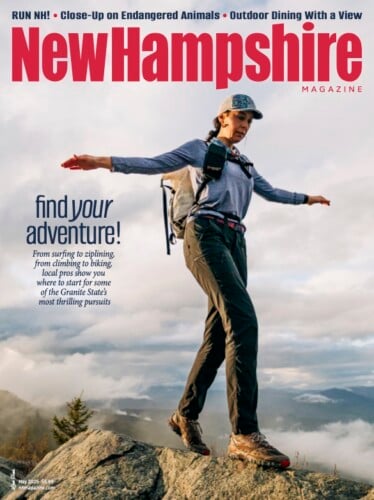
From surfing to zip-lining, from climbing to biking, local pros show you where to start for some of the Granite State’s most thrilling pursuits
Looking for an opportunity to get out and try a new sport or hobby this season, but don’t know where to start? Don’t worry, we’ve got you. Each of our local adventure experts will guide you through how to approach ziplining, ATVing, biking, surfing, scuba diving, climbing and whitewater rafting, complete with tips and tricks for each quest and recommendations for where to go.
Find More Adventures:
Riding High: Zip-lining in NH
Wild On Wheels: ATV-in in NH
Take a Hike: Hiking in NH
Find Your Froth: Whitewater Rafting in NH
Hot Wheels: Biking in NH
Cruising the Thin Blue Line by Brian Yurasits
Explore the wonders of the sea through surfing, snorkeling and scuba diving
My life revolves around the sea. I taught myself how to surf in the Northeast 20 years ago and have been drawn to the ocean ever since. When the water is calm, I keep a close eye on the tide to go fishing and exploring beneath the ocean’s surface. Naturally, I’ve pursued a career in marine science and conservation to protect the places that I love.
I hope to share this joy the ocean has given me with you all. Before I convince you to start surfing or diving, I want to start by saying that these two sports require you to be a strong swimmer. If you don’t know how to swim, the best place to start is at your local pool.
Surfing
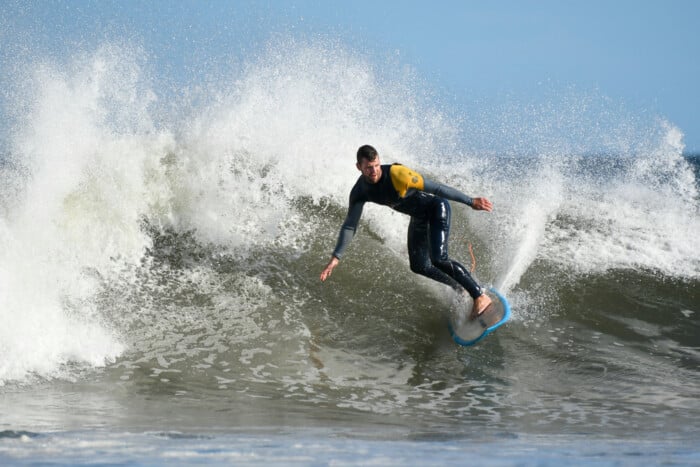
New Hampshire is home to 18 miles of coastline stretching from Seabrook to New Castle. This sliver of land hosts a mix of sandy beaches and rocky shorelines, resulting in a diversity of wave shapes and sizes.
Just as in skiing, some waves should be considered green circles, and others black diamonds.
If you’re new to the sport, the best two “green circle” beaches are Jenness Beach in Rye and The Wall in Hampton. Both are long, sandy beaches with room to spread out.
Cinnamon Rainbows in North Hampton and Summer Sessions in Rye both offer board and wetsuit rentals, surf lessons and gear for sale. The best board to start your wave-riding journey will be with a longboard, and since the Gulf of Maine certainly isn’t known for being warm, you’ll want a season-appropriate wetsuit.
You can use wave forecasting apps to check the swell and reference your local weather reports for wind and precipitation information. The best conditions for learning are light offshore winds and 1- to 3-foot waves.
Safety is everything in surfing. There are rip currents, wildlife and rocks; however, other surfers and your own board pose the greatest risk. This is why there are important rules to follow in the surf lineup. Always use your leash, which connects yourself to your board. The surfer closest to the “peak” of the wave has priority, and the worst thing that you can do is “drop-in” on someone else’s wave. Most importantly, you should always know your limits and let someone know where you’re planning to surf.
Don’t give up, either. Surfing is 99 percent paddling, and it isn’t easy. You can expect to fall more often than you stand up on your board, and some days you won’t even make it out past the whitewater. But all those falls will be worth it once you stand up and ride your first wave, looking down through the clear water that you’re magically floating above.
Scuba and Snorkeling
There are forests of kelp, meadows of eelgrass and an unfathomable diversity of life to explore under the ocean’s surface, and you can scuba dive or snorkel to witness these special places in New Hampshire yourself.
I recommend you begin with snorkeling. There are many places where you can walk in from shore to glide above coastal ecosystems. My favorite is Odiorne Point State Park in Rye. The south side of the park offers a shallow, rocky and protected area that’s home to lobsters and sea stars.
Northward, the inside of Odiorne’s jetty hosts a vibrant eelgrass meadow. At high tide, when the eelgrass is submerged, striped bass swim with the tide and flounders blend in. If you look closely, you might find a northern pipefish hanging onto a blade of eelgrass. Step into the Seacoast Science Center within the park to learn about the species you may encounter before suiting up.
To snorkel, you’ll need a properly-fitting mask with attached snorkel, fins and a temperature-appropriate wetsuit. You can find all of this at local dive shops like Atlantic Aquasport in Rye and Portsmouth Scuba in Portsmouth.
There are a few safety precautions you’ll want to take. First, you should have a buddy and a plan. Never underestimate the sea. It’s crucial to know the weather and ocean conditions before you take the plunge below. You should have a dive buoy or flag with you to let other ocean users know that there’s a person in the water, and
be mindful of boat traffic and fishing.
If you’re ready to dive deeper, the next step is to become scuba- certified. Scuba-diving requires proper training, and courses are offered by these same shops. The first certification is PADI Open Water Diver Scuba Diving Certification, which teaches you the basics of scuba-diving and how to use your gear, and you’ll embark on your first real dives with trained instructors.
Once certified, you can dive from shore or arrange a trip to a deeper water area like the Isles of Shoals or Nubble Lighthouse in York, Maine.
We live on a blue planet and learning how to dive can open your eyes to wonders you never imagined.
Both surfing and diving connect us to the sea. Yes, it’s cold, requires a level of dedication and isn’t for the faint of heart, but the feeling of gliding on waves and swimming like a fish below the surface is entirely worth it. As users of the sea, we hold a unique responsibility to be its stewards.
Always leave the beach cleaner than you found it, respect the space of wildlife, and get involved with any of the amazing local nonprofits out there, like Surfrider Foundation’s New Hampshire Chapter that organize beach cleanups and test the quality of our waters. Enjoy the ride.
Find your adventure!
Surfrider Foundation New Hampshire: nh.surfrider.org
Cinnamon Rainbows: cinnamonrainbows.com
Summer Sessions: newhampshiresurf.com
Atlantic Aquasport: atlanticaquasport.com
Portsmouth Scuba: portsmouthscuba.com
Brian Yurasits is a local surfer, marine scientist and photographer. When he’s not at work as the science communication specialist at New Hampshire Sea Grant, Brian enjoys photographing the natural world around us to help inspire conservation. He also volunteers with Surfrider Foundation’s New Hampshire Chapter to support clean water and beach access for all.