Immigrants increasingly help care for New Hampshire seniors
As New Hampshire’s population ages, caring for seniors increasingly depends on people whose work is often overlooked.

“These are really the unsung heroes of health care,” Dr. Serena Chao said.
A Derry native and daughter of Taiwanese and Chinese immigrants, Chao understands firsthand how culture and family shape the experience of aging.
Now, as the inaugural chief of geriatric medicine at Dartmouth Hitchcock Medical Center in Lebanon, she is helping lead the health system’s response to the needs of a rapidly aging state.
Throughout her career, Chao has focused on helping older adults maintain not only their health but also their dignity and quality of life. Increasingly, she says, that work depends on a broad network of direct care workers, home health aides, nursing assistants, caregivers and
families.
Older adults are living longer and seeking to remain independent and engaged in their communities. As New Hampshire’s population ages while birth rates slow, one question looms larger with each passing year: Who will provide the care?

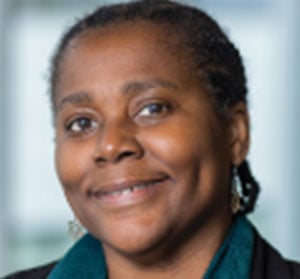
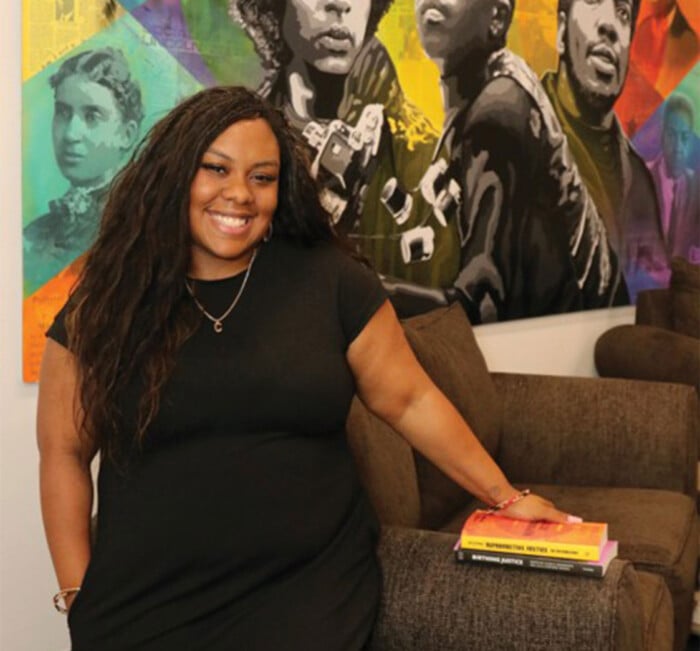
Dr. Serena Chao, section chief for geriatrics at Dartmouth Health
Immigrants are increasingly filling important roles and meeting those home health and personal care needs. A recent Kaiser Family Foundation analysis found nationally that immigrants account for 28% of the nation’s direct long-term care workforce, including nearly one-third of workers in home-care settings.
Another recent Health Affairs study found foreign-born workers accounted for roughly half of the growth in the home- and community-based direct care workforce between 2012 and 2022.
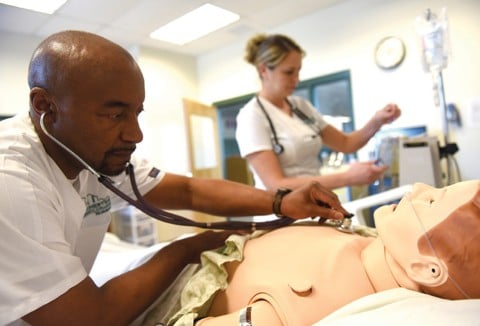
“People often think about health care as doctors and hospitals,” Chao said. “But so much of what allows older adults to age with dignity happens because of direct care workers, home health aides, nursing assistants and caregivers.”
Those workers are often the people who spend the most time with patients and residents, helping with everything from meals and medications to companionship and daily routines. And for Chao, the value of a diverse workforce extends beyond filling vacancies.
As New Hampshire becomes increasingly diverse, so too are the seniors who are entering retirement and long-term care. She said cultural understanding can help build trust and comfort for patients and families, particularly when caregivers understand traditions, family dynamics or language preferences that are important to those receiving care.
“It’s about seeing the whole person,” Chao said.
Recent research published in Health Affairs by Harvard University researchers Britainy Barnes and David Grabowski suggests that the linguistic and cultural diversity of the caregiving workforce may improve the patient experience as the population receiving care becomes increasingly diverse.
“The challenge is not simply helping people live longer; it’s helping them live well,” said Sharon Wentz, a registered nurse specializing in geriatrics at Dartmouth Health. “During Medicare Annual Wellness Visits, conversations about ‘What Matters Most’ often reveal the important role that family, cultural traditions, faith and community play in an older adult’s life.
“For some patients, maintaining family connections or participating in cultural or religious traditions is central to their quality of life. Understanding those priorities helps us tailor care recommendations and ensure that health care decisions align with the person’s values, goals and daily life.”

Sharon Wentz, a nurse specializing in geriatrics at Dartmouth Health
Wentz previously practiced in Fresno, California, where caring for patients from diverse backgrounds reinforced the importance of understanding not only medical needs but also family structures, traditions and cultural values.
Aging well, she said, means preserving quality of life, independence and human connection.
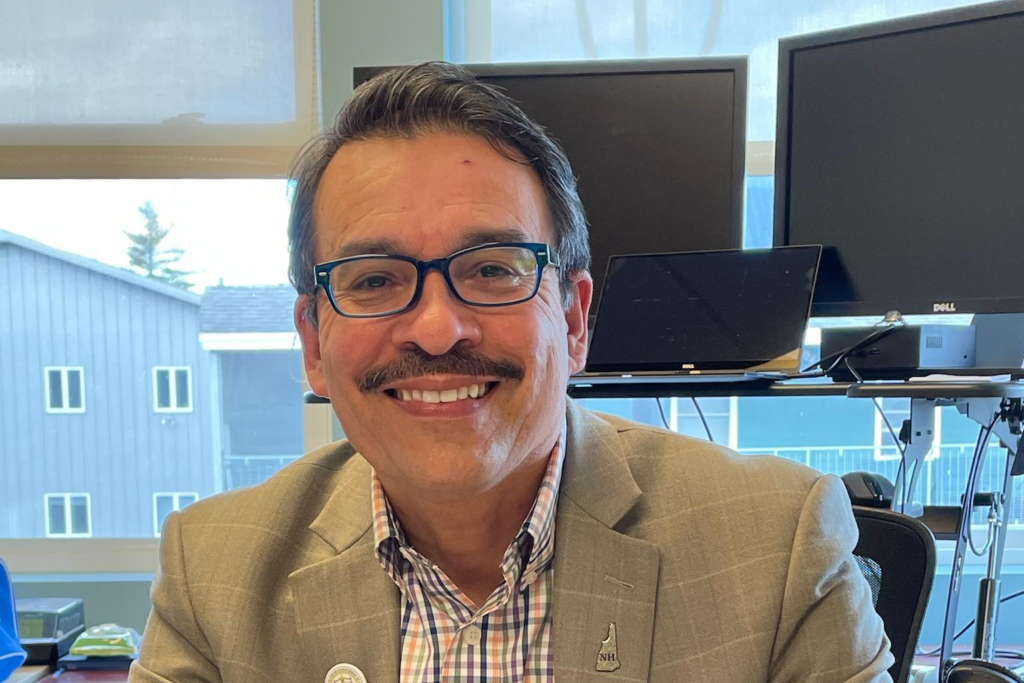
At Taylor Community in Laconia, president and CEO Michael Flaherty sees those relationships every day.
“The people who choose this work are mission-driven,” Flaherty said. “They’re not simply providing services; they’re helping residents live meaningful lives.”
He said the bonds formed between residents and caregivers often become deeply personal.
“We’re all competing for the same workforce,” Flaherty said, noting that senior living providers across the region continue to face staffing challenges.
New Hampshire, like much of the nation, faces a growing shortage of workers needed to provide that care.
According to New Hampshire Employment Security, home health and personal care aides are projected to be among the state’s fastest-growing occupations through 2032. Statewide demand is expected to increase by more than 1,600 positions over the next decade, a more than 23% increase, while registered nurses and nursing assistants remain among the occupations with the greatest need.
State wage data shows New Hampshire’s roughly 8,200 home health and personal care aides earn an average wage of about $18 an hour, while nursing assistants average approximately $22 an hour.
Those wages fall below what many workers need to comfortably afford housing and other basic expenses in New Hampshire. Phil Sletten, research director at the New Hampshire Fiscal Policy Institute, said many caregivers likely struggle to cover their own expenses despite working full time, even as the state’s aging population increases demand for care.
“Current wages are below the statewide median, and workers are likely to face living costs that are substantially higher than their incomes,” Sletten said.
As New Hampshire grows older and more diverse, the people providing that care may increasingly come from different countries, cultures and backgrounds— making cultural understanding an essential part of helping seniors age with dignity.