Bad Bunny Redlined
Finding enjoyment in cultures beyond the familiar
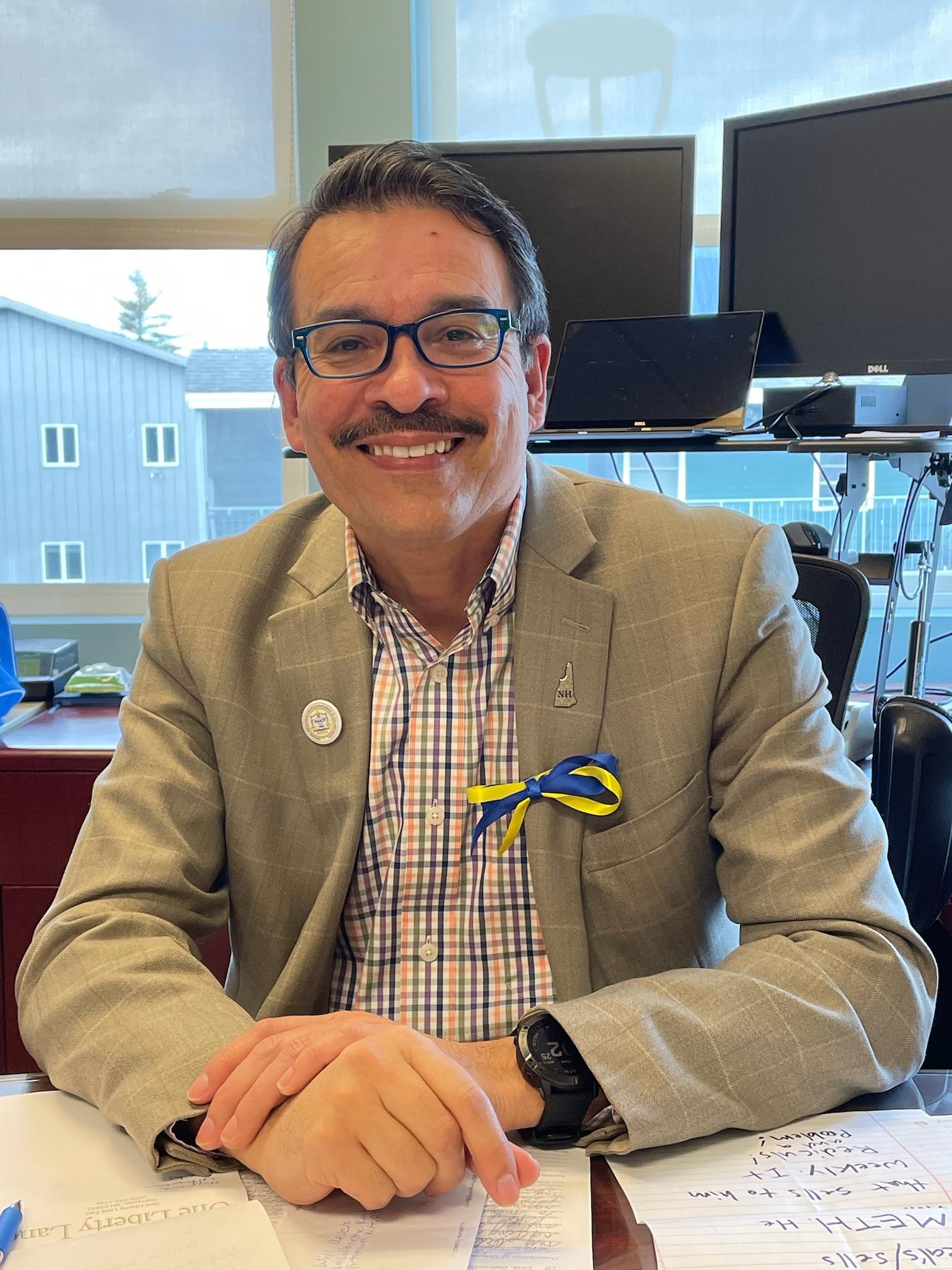
Will Arvelo
When the NFL announced that Benito Antonio Martinez Ocasio — aka Bad Bunny — as the headliner for the Super Bowl Halftime Show, they were not only taking a risk, but they were also thinking out of the box. As they expand the brand, they recognize there is a growing and huge potential within Latin American viewership here and abroad. As a matter of fact, Latinos are the fastest-growing fan base for the NFL. From a business perspective, Latino viewership of the Super Bowl increased 51% from 2021–24, and they are 52% more likely to attend live games and 35% more likely to purchase NFL paraphernalia, according to Nielsen data.
With the continuing growth in Latino NFL viewership, it seems that stars were aligned in 2025 when the NFL chose Bad Bunny. He has been the top Latin American artist on Billboard from 2020-24. On Spotify, he was the most-streamed of any artist in any language in 2020-22 and 2025. He has been the recipient of numerous Grammys and Billboard Music Awards, amongst many others. The man is talented and accomplished and, by any comparison to his peers, he belongs on the NFL stage.
I am happy to see that, despite all the controversy of the choice, NFL Commissioner Roger Goodell has stuck by Bad Bunny. He faces immense pressure on the choice of the headliner. But this is a good thing, America. If anything, it shows tolerance and that we are maturing in our acceptance of cultural diversity and representation.
To be honest, I do not know Bad Bunny, and though we are both Puerto Rican, I do not know his music in depth. Still, I cannot help but be proud of a young man who represents my original culture with such passion and intentionality. I do know that he is a major artist and that he is beloved the world over for being a strong representative of Latin culture, for being innovative in his music, for being outspoken in defense of his cultural identity as Puerto Rican, and for defending the LGBTQ+ community and freedom of expression.
Granted, he may not be well known in mainstream America, but in my mind, the rabid opposition to his being the headliner at the Super Bowl comes from a bigoted place in the American psyche that we cannot seem to shake, no matter the passage of time and how much we may wish it were not part of who we are.
In large part, it stems from a misplaced notion of purity and a misunderstanding of American revisionist history that still continues to sell the idea that, in order to be American, we must all be English speakers, preferably of an Anglo-Saxon derivation.
If we understand anything about our true American history, it is that, except for Native peoples, we are a diaspora of many peoples: European, African, Middle Eastern, Latin American and Asian. Today, if you go into most American cities, you will see communities steeped in their home country’s cultures and languages. Little Havana, Little Italy, El Barrio, Chinatown, Little Tokyo and so on. In many of these communities that have existed in America from its founding, individuals and families live to some degree without existing in the mainstream, still speaking languages from their countries of origin.
America is not one thing or one culture. There are many things and cultures all contributing to and supporting the original idea of the founders stated in the Declaration of Independence, “Life, Liberty, and the pursuit of Happiness.” There is no denying that a larger culture exists where we all come together and speak the same language, but we can’t deny that we are made up of 50 states, plus territories, with their own subcultures, and that there exists a myriad of cultures that add to our whole. Why do we continue to be first in innovation, economics, artistry, philanthropy and so much more? Because we are a destination where people can come to try to make their dreams and passions a reality. That is our strength, our richness and why we lead the world.
Yet, America continues to fight a fight with itself. Saying to the world that we are an open society that welcomes those seeking freedom and safety, when in reality, even through the prism of legal immigration, that is not true. The most recent examples of this quandary have been the Haitians and the Somalians, but the most extreme and longest-lived disenchantment and bigotry are reserved for Native Americans, Mexicans, Blacks and Puerto Ricans. Mexicans were part of the American landscape long before any English-speaking European landed on Plymouth Rock. Puerto Ricans have fought in just about every war since the War for American Independence and were given American citizenship as a whole in 1917. These groups, among so many others, continue to battle the “go back to where you came from” mentality that still has strong adherence within the American psyche. The problem is that — like the Japanese, Chinese, Jewish, Somalian, Haitian, Venezuelans, etc. — we are not going anywhere except to the nearest mall, stadium or concert hall. America never was monolithic and never will be. We must move to a culture of respect for all our cultures, because our strength lies in our diversity of thought, expression and artistry; much of it was made possible because of our cultural diversity.
I point all this out because the Bad Bunny controversy is the latest in a long string of xenophobic diatribes that go back to our founding as a nation. We cannot even accept ourselves, because we continue to think of ourselves as monolithic when we are not. Remember, Puerto Ricans have been U.S. citizens since 1917.
If Benito Antonio Martinez Ocasio sings only in Spanish during the Super Bowl Halftime game, so what? Celebrate it and dance to it. Excellent music of any kind is music, and if you can’t swing to those Latin rhythms, you have a bigger problem than Bad Bunny headlining the NFL Halftime Show. Learning to dance in Spanish, or for that matter in any other language or musical genre, speaks to your ability to explore, be vulnerable, and take risks; to be open to enjoying and exploring the diversity of life.
In an America that will continue its unstoppable march toward more acceptance of diversity, closed minds will not thrive. In that spirit, and for those who watched the Super Bowl, I hope that it was an enjoyable alternative to the traditional fare and that it is another step in our broadening acceptance of our cultural and linguistic diversity.