Spotlight on Rising Changemakers: Randall Nielsen
Profiles of New Hampshire leaders who are lifting up diverse voices in the Granite State and beyond
Since this magazine’s launch in the fall of 2021, it’s been 603 Diversity’s mission to share stories so that the people of New Hampshire could get to know their neighbors better, especially those who may be newer to the state or whose lives are underrepresented in other media. That goal continues to guide our work today.
Recently, we reached out to past sources, frequent contributors and editorial board members to seek out people who are making a difference in diversity spaces of New Hampshire and who’ve not been in this publication before. What we received were the names of dozens of people who are entrepreneurs, advocates, artists and community builders who are creating spaces where people feel seen, supported and valued.
In this issue, we will highlight six of these “Rising Changemakers,” but you can expect even more in issues to come. If you know of someone who deserves some spotlight, please email us at editors@603diversity.com.
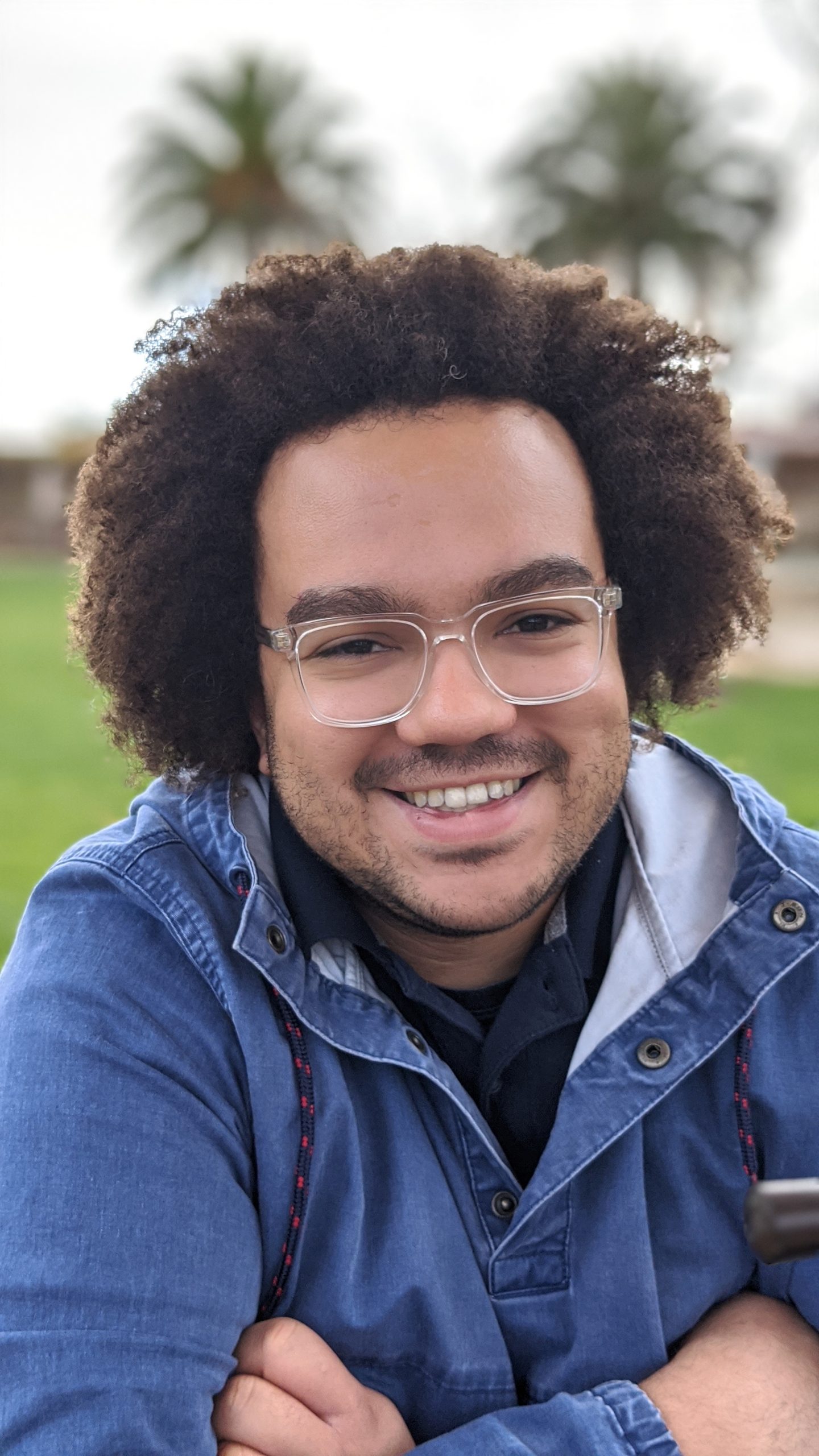
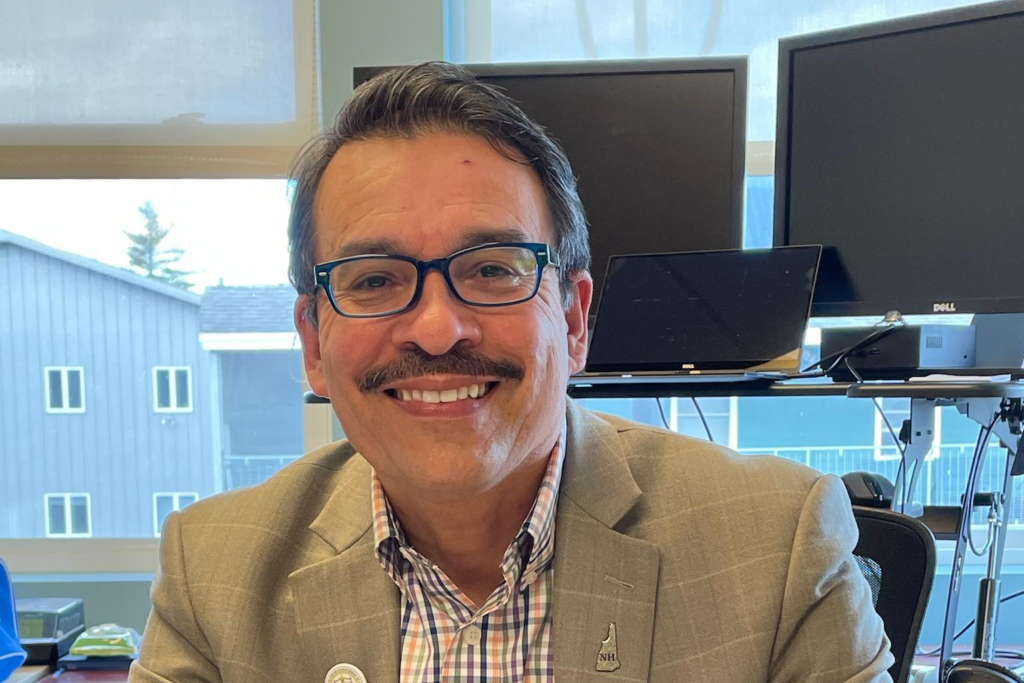
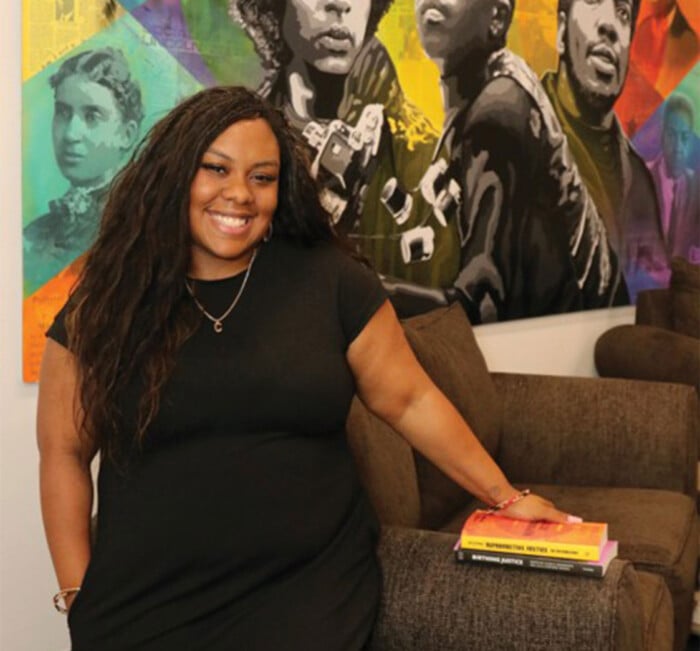
Randall Nielsen
City: Manchester
Passion areas: Nielsen is an artist and the executive director of Queerlective, a community-powered arts organization uplifting queer and BIPOC voices through creative expression, storytelling and collective action.
Q: Where did you get your start in changemaking, movement building and community organizing?
Randall Nielsen: I moved to New Hampshire in 2017, and for the first four months, I didn’t really leave my apartment. During the height of the pandemic, I, like lots of other Americans, faced a really big mental health crisis. I realized I needed to be more authentic to myself and started taking art more seriously. Very quickly after starting that, I realized there’s a great need for more community opportunities to gather and celebrate around art. But attending a black-tie Juneteenth gala at Hopknot introduced me to a wider community of organizers. That was kind of the start.
Q: What inspired the beginnings of Queerlective?
Randall Nielsen: I started trying to find my community, or realizing I’d have to create it. After helping out with Queen City Pride, we (myself and my husband, Jason DeYoung) realized there really was a need for a new space, focused on celebration, that used art but was also operating year-round. In terms of queer spaces, it’s predominantly a lot of gay, cis white men; having an alternative to that, and to the typical alcohol-focused spaces, was important.
Q: What are some of your goals for Queerlective in 2026?
Randall Nielsen: We really want to grow what we are offering at our Co-Lab. We’re going to have a lot more regular opportunities for people to gather in the space — both artists and non-artists. Co-Lab is going to grow into a makerspace and a shared community space for other community organizers and artists. Beyond that, we want to support establishing a social change ecosystem across the state; one of the tools we’re using to propel that work forward is our State of Queer NH Resource Book, which will outline a list of resources and organizations that are queer/ BIPOC-owned or -led who are affirming, and providing resources to marginalized groups. We’re working to identify distribution partners across the state to work on getting the resource book into communities. Hopefully, this network can be a communication hub for the community going forward to better help with communicating efforts and needs across the regions.
Q: What does it mean to you to operate a queer and BIPOC-focused space specifically in New Hampshire, and what does it mean for our communities?
Randall Nielsen: I think everybody’s life would thrive much better if they were more authentic to themselves and who they wanted to be. That’s why I really love celebrating and centering queerness in everything we do, because for me and a lot of Queerlective’s community members, queerness is really just about being authentic to yourself. I know that a lot of systemic barriers in our communities are because of things like racism and capitalism; and using the lens of queerness to look at systems, how they operate and the potential alternatives for mutual community connection, is extremely valuable. I get so much joy in seeing people be authentic to themselves. There is so much magic and beauty in someone defining who they are for themselves, and that’s really the core of what Queerlective is trying to do, while looking at the things around people that prevent them from doing that.
Q: How has Queerlective helped to shape the type of community you want to see in our state?
Randall Nielsen: I love doing our community art projects. They are analogous to what I am trying to do with community-building; people get to contribute to this piece, greater than the sum of its parts, and at the end, you are left with something really cool and beautiful, and people can point to exactly how they contributed to it. You can take this idea and apply it to community-building as well: on trying to create a space where people can contribute to their community in a meaningful way and find a sense of pride in that. Our community art pieces, like our queer community quilt that has over 400 squares, are a great example of that. I think the visibility Queerlective has created throughout the state around celebrating people for their queerness is really impactful.