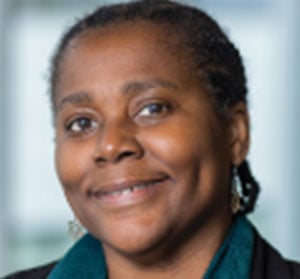
Spotlight on Rising Changemakers: Latonya Wallace
Profiles of New Hampshire leaders who are lifting up diverse voices in the Granite State and beyond
Since this magazine’s launch in the fall of 2021, it’s been 603 Diversity’s mission to share stories so that the people of New Hampshire could get to know their neighbors better, especially those who may be newer to the state or whose lives are underrepresented in other media. That goal continues to guide our work today.
Recently, we reached out to past sources, frequent contributors and editorial board members to seek out people who are making a difference in diversity spaces of New Hampshire and who’ve not been in this publication before. What we received were the names of dozens of people who are entrepreneurs, advocates, artists and community builders who are creating spaces where people feel seen, supported and valued.
In this issue, we will highlight six of these “Rising Changemakers,” but you can expect even more in issues to come. If you know of someone who deserves some spotlight, please email us at editors@603diversity.com.
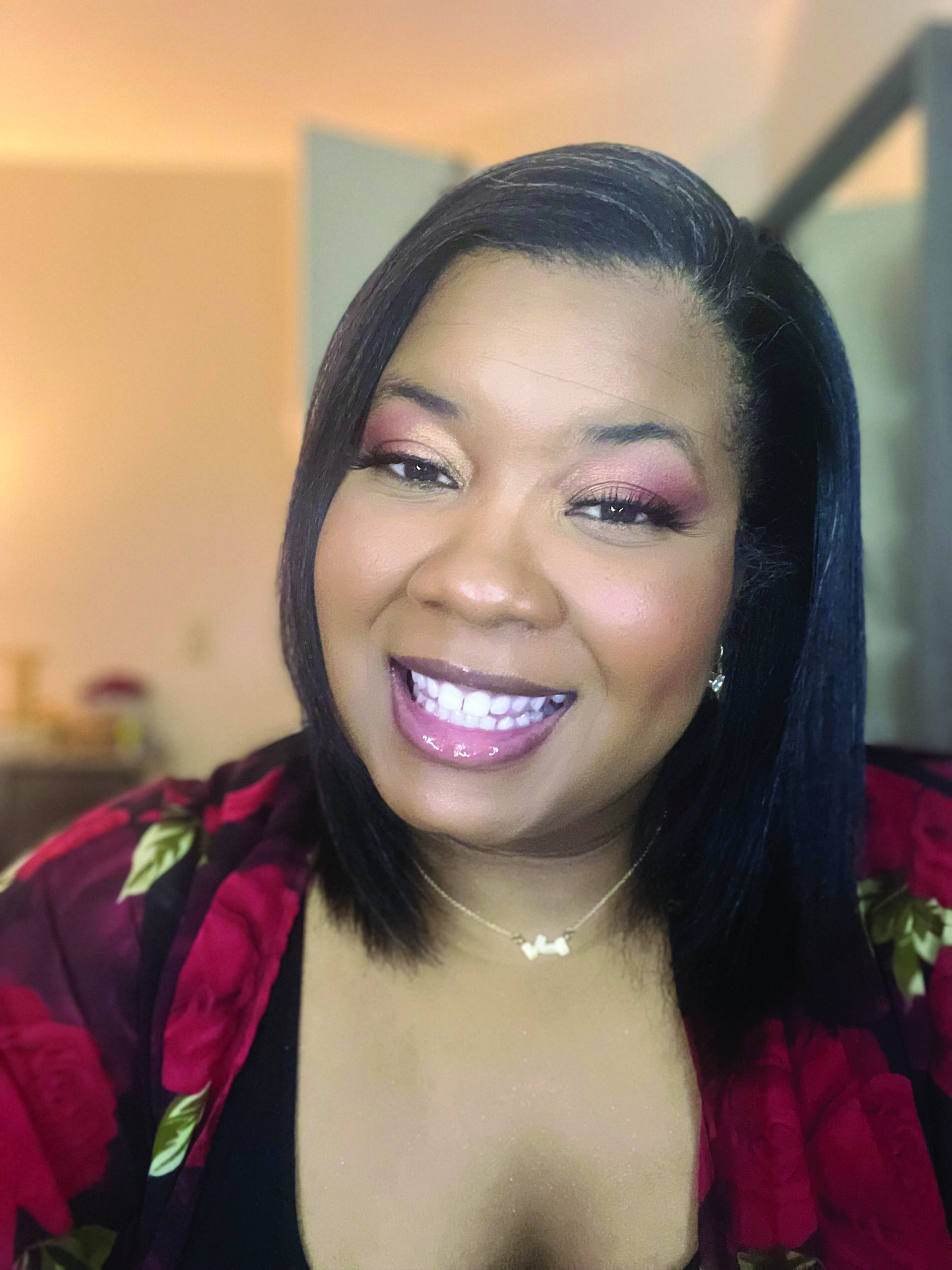
Latonya Wallace
City: Portsmouth
Passion areas: Founder of The LeadHERship Network and Bossy Scribes and co-founder at The Business Alliance for People of Color.
Q: What drew you to economics and business as a career focus?
Latonya Wallace: I didn’t set out to be an economist or a business advocate. I kind of grew into it through lived experience. I spent nearly 20 years in retail banking, and started as a teller, then leading teams and then managing relationships that really went beyond the transactions. When I moved into community work, everything shifted for me. I could see, firsthand, that local businesses were really the backbone of a community’s stability. Finding ways to stand beside them and helping them navigate was something that I realized was important to me. And that’s where economics became less of numbers and more about lifting the communities through connection and access.
Q: What led you to start the Business Alliance for People of Color?
Latonya Wallace: It came from a group of BIPOC nonprofit leaders and business owners from across the state. We were tired of watching people navigate the entrepreneurial landscape without the tools, without the networking or the visibility that they deserved. Scarcity is the reason that BAPOC exists. It was a scarcity of capital and networks for BIPOC entrepreneurs here in New Hampshire. We didn’t want another organization that simply named the barriers — we needed a space that a place where action was taken, a place where people could access social, human and financial capital.
I was in banking at the time, and I could see that the funding and access to having a banking relationship were not getting into all communities, and I think that was the beginning of my personal experience with a scarcity kind of mindset. I realized how siloed a lot of our business owners are instead of building with other business owners and having that connection to the community. Historically, when it comes to the financial system and the BIPOC community, there is a bit of a history that has not necessarily been positive. We wanted to kind of change that.
Q: What changes have you seen in the business community since you began this work?
Latonya Wallace: There has been a rise in genuine collaborations, where organizations or businesses are partnering in places where they might have previously been kind of competing. It’s creating that visibility for business owners that historically may not have had that, or maybe they don’t have the capital to invest in marketing in different ways. I feel there is more openness and willingness to widen the circles. I think I am seeing a lot more of these place-based economic strategies, where communities and organizations are investing in more neighborhood business hubs, more localized incubators and accelerator programs.
But some systemic pieces still exist. I think the access that was once there for business owners has changed quite a bit. We’ve seen the rise and fall of organizations that were providing business resources, and there’s been a dissemination of these organizations that want help; they no longer exist.
Q: How do you stay focused on the work amid cultural upheaval?
Latonya Wallace: I try to focus on the things that ground me. I journal. I stay connected to the spaces and the organizations that inspire me. But I have to practice self-maintenance. You have to take care of yourself when you’re working through all the changes in the world that happen day in and day out. I think the work is only going to be sustainable when I’m honestly, truly willing to ask what makes me whole and honor those things. Because I can say all day long that I love to put some words on paper and to journal, but what it’s really about is staying focused, present and in the moment when I need to care for myself in that way. For anybody out there, it’s about finding truly what connects you, what puts you in a space where you can continue to stay inspired and making sure that you truly take the time to honor that for yourself.