The Activism Work That Continues When People Finally Rest
At a time when activism is often framed as a constant urgency, speakers at the Black New England Conference at Southern New Hampshire University argued that rest, sustainability and care are not pauses in the work, but are essential to building a durable future for Black communities in New England and across the country.
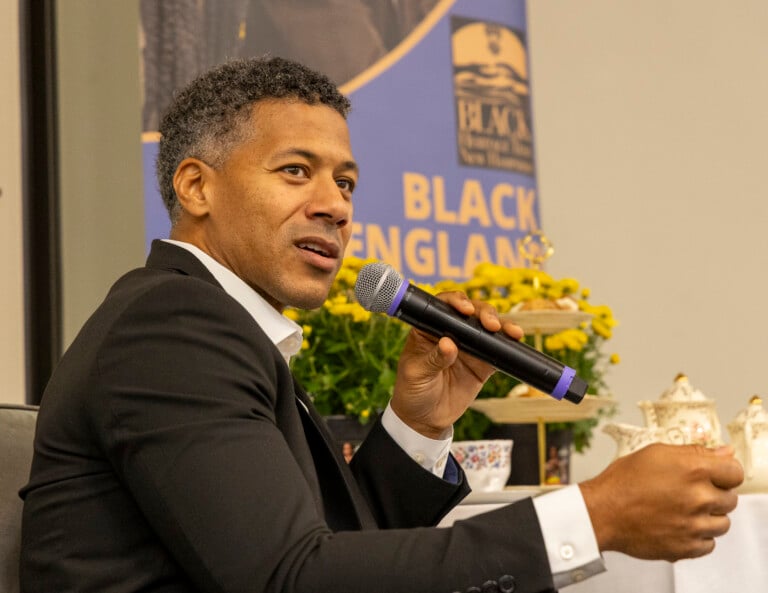
Across hours of dialogue, one idea kept returning: rest.
Not rest as an escape from work, but rest as power. As preservation. As the necessary ground from which a community can imagine its future, instead of only responding to its present.
Over the course of the day on Oct. 25, a panel of historians, journalists, attorneys, educators and organizers traced the long arc of Black life in America and New England. They touched on history, media, trust and survival. Again and again, the discussion returned to the same realization: a future cannot be built if the people doing the building are burned out.
Public historian Cheyney McKnight, known for her work through Not Your Momma’s History, challenged one of the most persistent narratives about Black America.
“It is propaganda to say that we are not united,” McKnight said. “The reality is there is so much diversity in Black America, and we make space for everyone. You will hear jokes, but at the end of the day, you will come and get a plate. You will always have a seat at my table.”
Her point reframed the conversation. Unity, she argued, has never required sameness. It has always been rooted in care, shared responsibility and cultural memory. Black communities are not held together by uniformity, but by the ability to hold difference without breaking apart.
That idea set the tone for much of what followed. Panelists and attendees, including those in breakout groups, were not rejecting the past. They were situating themselves within it.
Ebony JJ Curry, a senior reporter with the Michigan Chronicle and a fellow at The 19th News, shared her thoughts about the role storytelling has always played in shaping power.
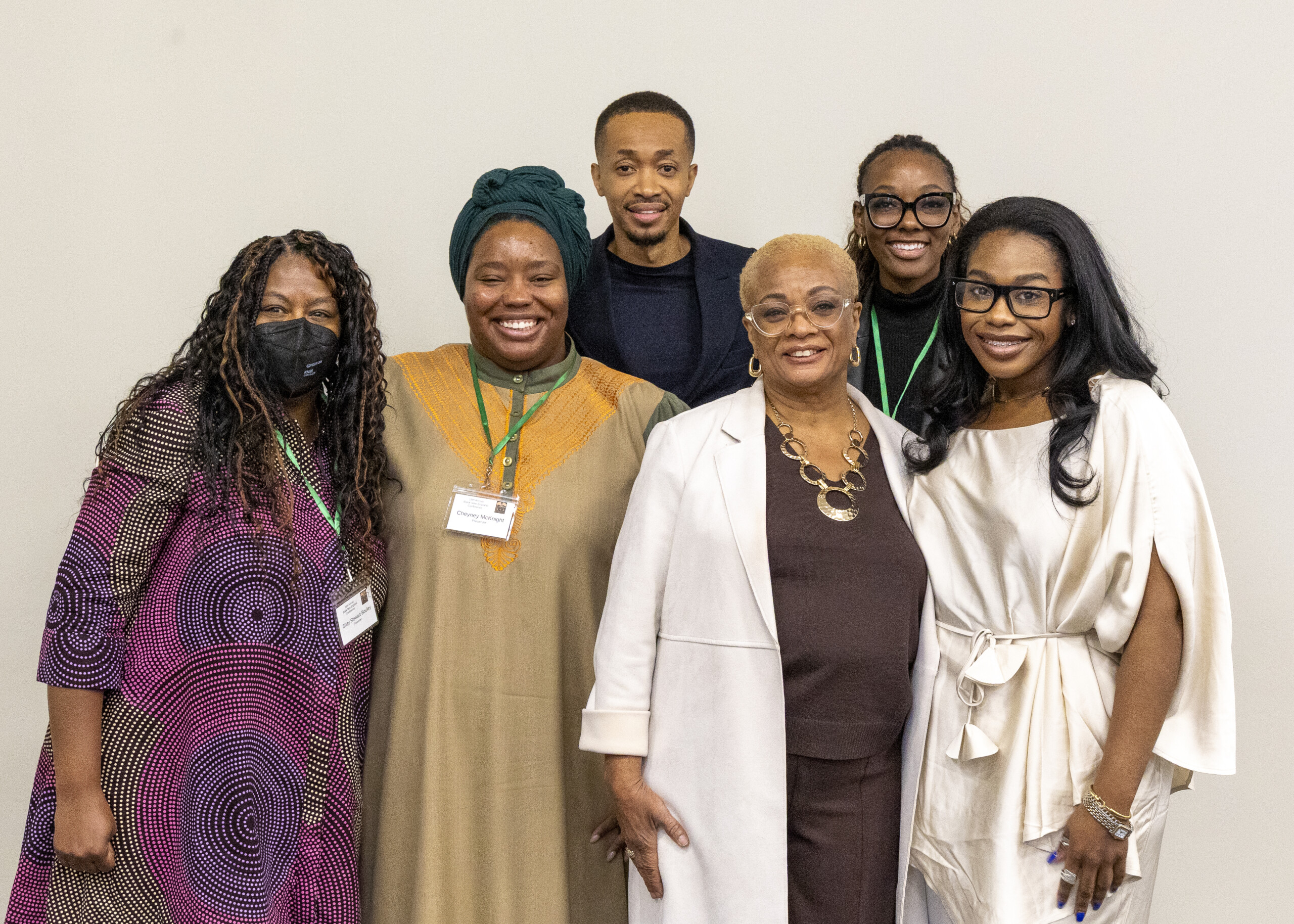 “Media is not a side note to this conversation,” Curry said. “It is the battlefield.”
She reminded the audience that American narratives have long protected power by softening history and reframing inequality as inevitability.
“If you control the story,” Curry said, “you never have to fix the structure.”
Her remarks grounded the discussion in accountability. The promise of equality may be repeated often, but outcomes tell a more complicated story. That tension, she argued, is precisely why the Black press has always mattered.
One of the most resonant moments came from Ronelle Tshiela, a New Hampshire civil rights attorney and litigation fellow whose organizing roots are in the state. She spoke candidly about the cost of sustaining movement work in places where Black communities are small but expectations are large.
“So much work is being put out by Black people in this state,” Tshiela said. “We need everything that has been named here. But we also need rest. We need to prioritize ourselves. I want to just exist and live life.”
Tshiela has helped build the largest mutual aid fund in New Hampshire. She has organized, advocated for and led initiatives across multiple fronts. What stood out was not just her résumé, but her willingness to name exhaustion without framing it as failure.
Burnout, she made clear, is not about commitment; it is about sustainability.
What was striking was how openly the older generation on the panel embraced this shift. There was no dismissal of fatigue, no insistence that constant urgency is simply the price of progress. Instead, there was recognition and pride.
Entrepreneur and community leader Antonio Saunders spoke about freedom, not as a distant goal, but as a daily practice.
“We live our freedom every single day,” Saunders said. “It can no longer be an aspiration; it has to be a lived experience.”
Others echoed that sentiment. The future they described was not centered solely on resistance, but on creation. On building institutions, culture and opportunity without defining every step by opposition.
McKnight put it plainly. “We do not need to be fixed,” she said. “We need to be left alone and allowed to exist. And when we are, we will succeed.”
The conversation did not avoid harder truths. When the discussion turned to the future, trust emerged as an unresolved challenge.
“We cannot build anything if there is no trust,” one panelist said. “Right now, we do not have a foundation of trust.”
The observation was met with recognition rather than surprise. Collaboration requires good faith. Partnership requires consistency. Interdependence requires more than symbolic support.
Members of the next generation made clear they are willing to build together, but not at the expense of their health or humanity.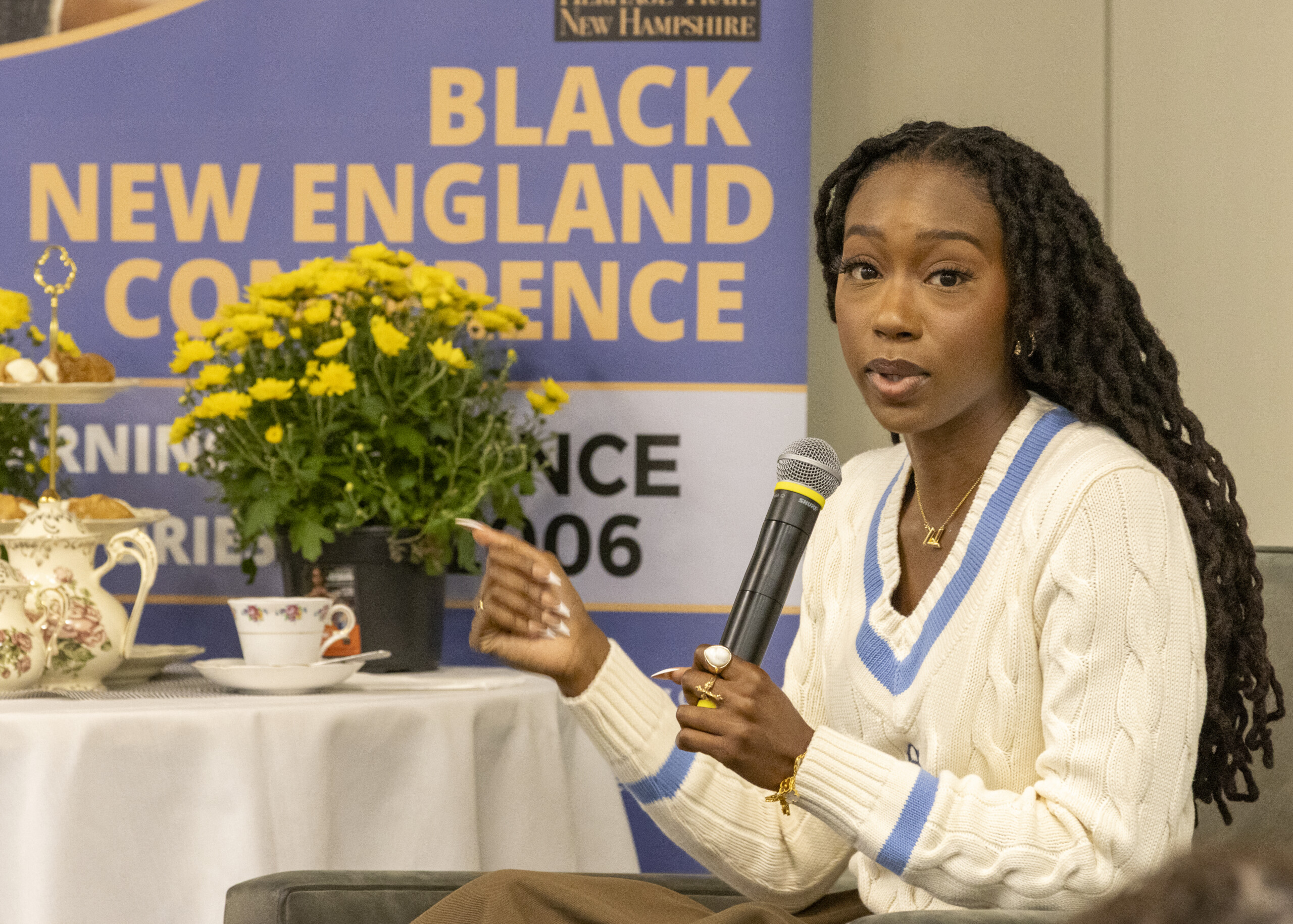
As the gathering came to a close, there was no neat ending, no summary. Instead, participants seemed to recognize how much had already been done, and how difficult it is to keep carrying that work without rest or community.
That framing shifted the discussion away from abstraction and back toward lived experience. Unity was treated as something already practiced, protected and passed down, not something in need of repair.
From there, the conversation moved away from urgency and toward stewardship, particularly in breakout groups.
Younger voices spoke openly about burnout and the cost of always being present, always responding, always holding things together. Older voices did not resist that honesty; they recognized it.
What passed between generations was not a handoff but a shared understanding.
No one suggested the work was over. What emerged instead was an acknowledgment that the same people cannot be asked to carry it endlessly. When the conference ended, without ceremony or a closing statement, a sense of fellowship lingered.
It felt like a safe space, one where people could speak openly, be heard, and support one another in the shared work of ensuring Black culture in America not only endures, but continues to thrive.